




















- Event context
- Factory visit by Russian customers and their China-based colleagues
- Tour areas
- Laser processing, sheet-metal bending, CNC equipment, material areas and diesel engines
- Workshop management
- Workplace organization and production-area controls
- Discussion focus
- Generator configurations, manufacturing, market requirements and technical support
Russian Customers Visit GOODWIND
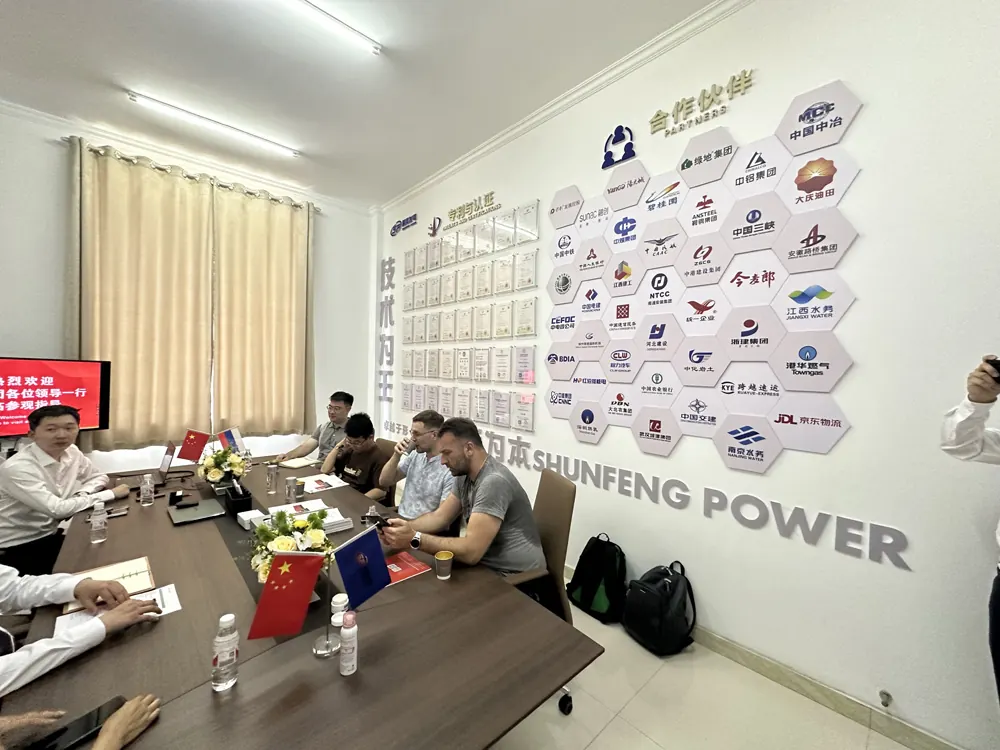
GOODWIND welcomed a group of Russian customers and their China-based colleagues to its diesel generator factory. The visit combined a workshop tour with technical and commercial discussions about generator configurations, manufacturing arrangements, market requirements and support for future international projects.
Factory Equipment and Workshop Tour
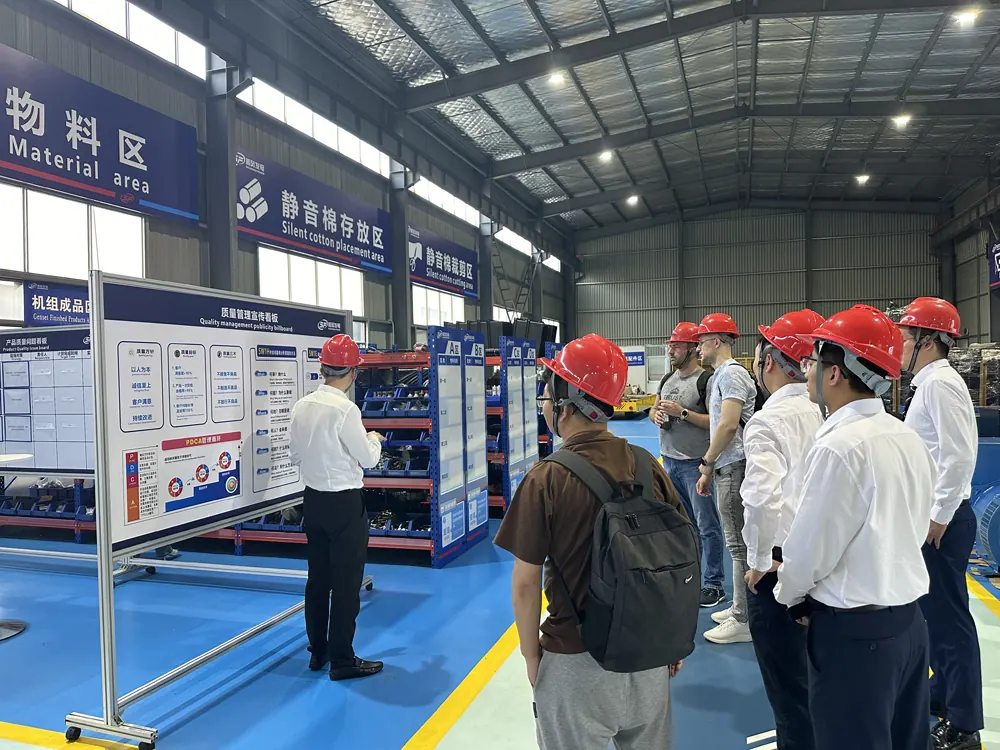
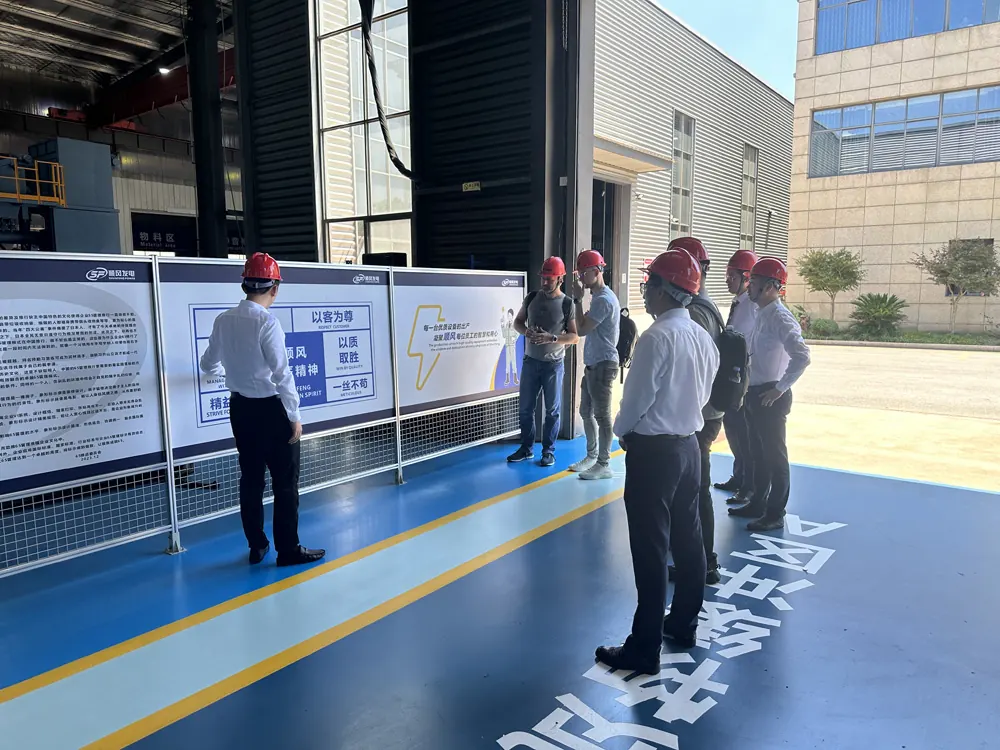
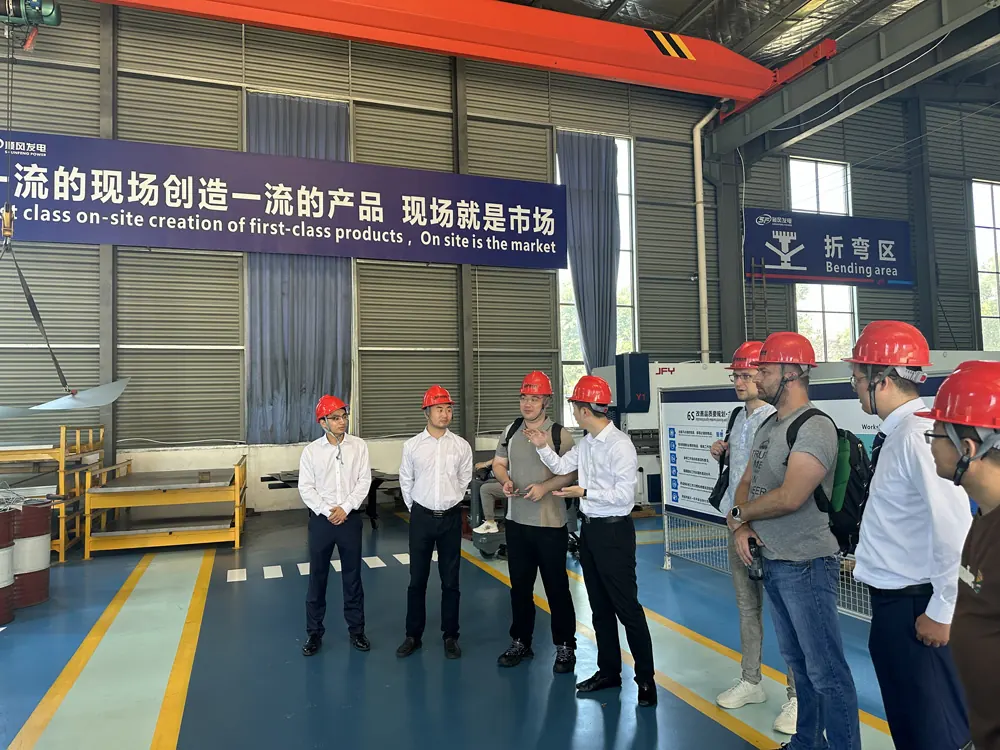
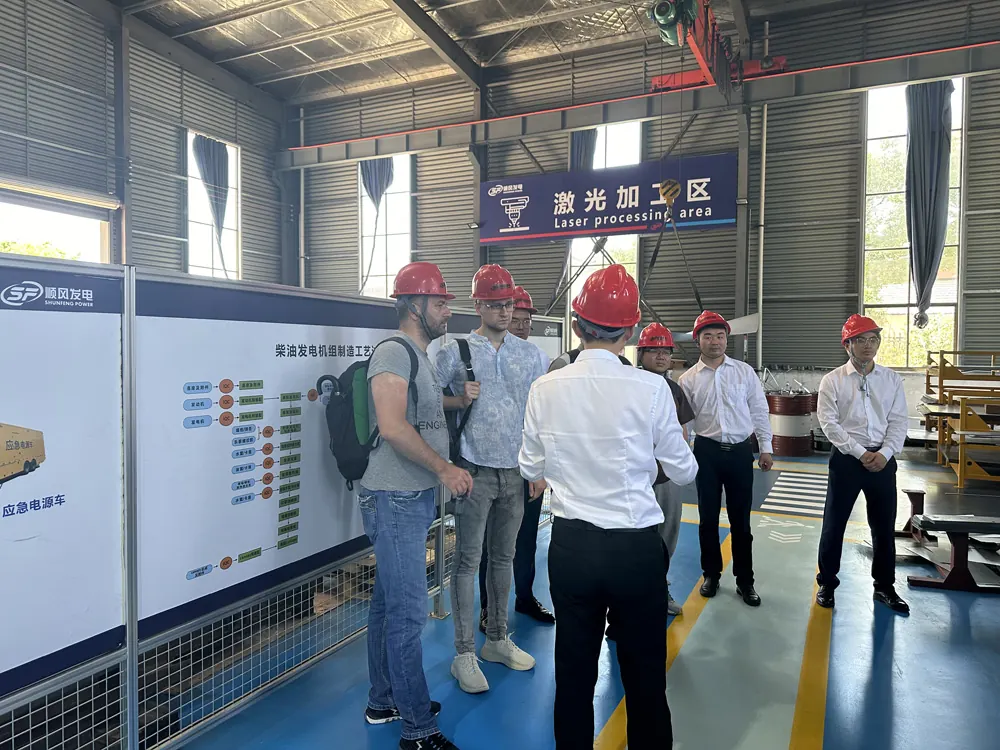
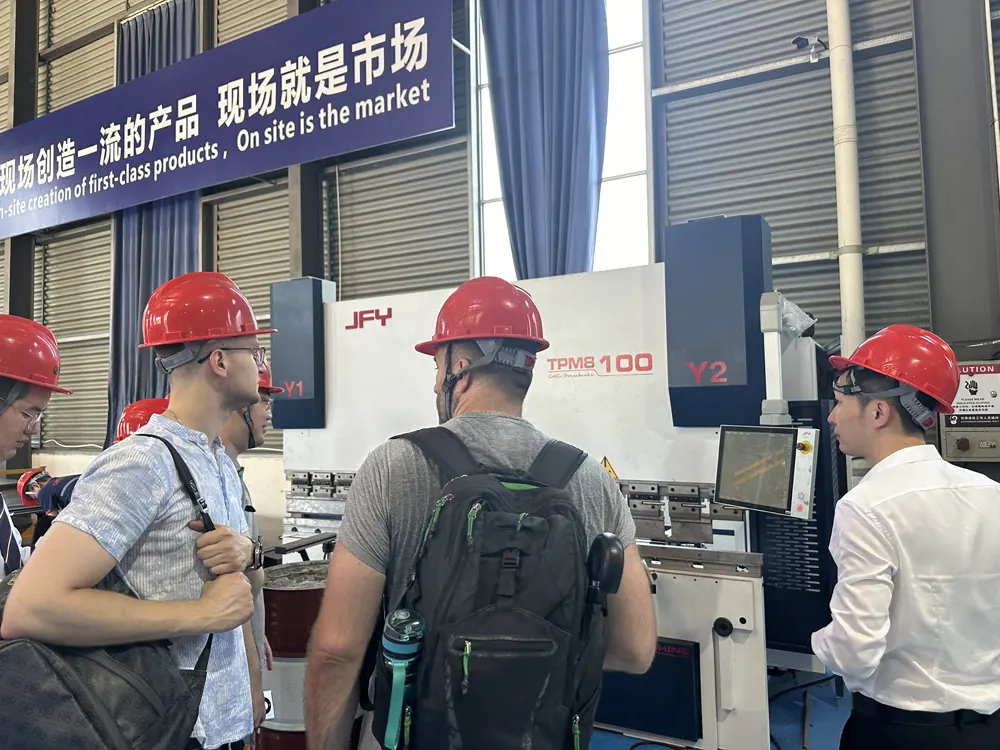
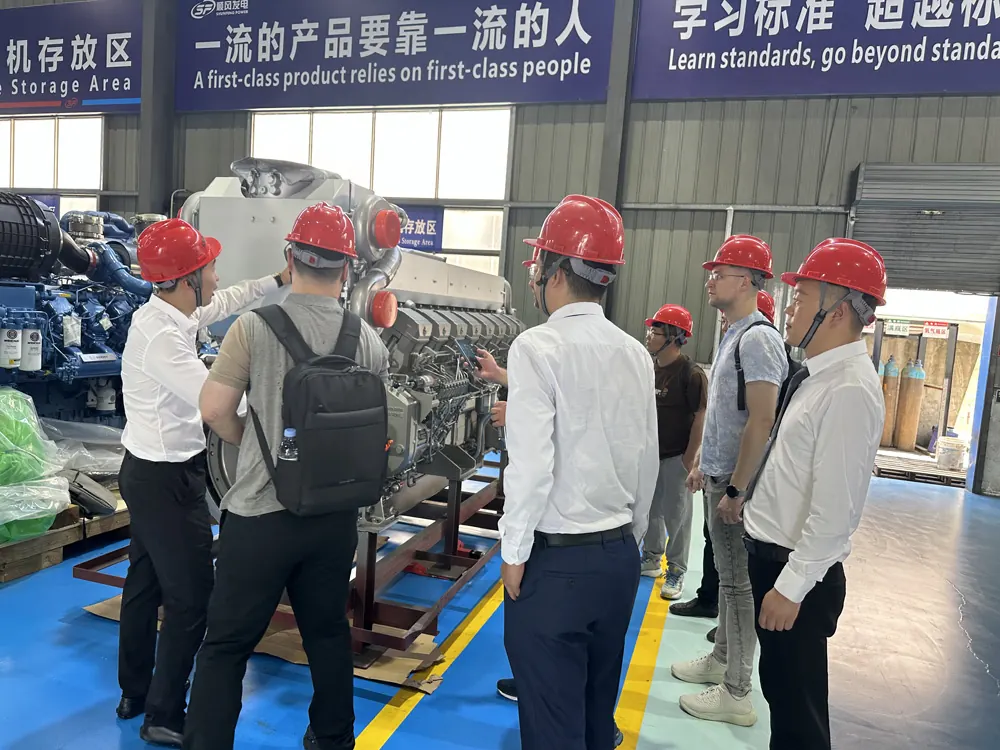
The group visited laser-processing and sheet-metal areas used around generator base frames and enclosure components. Photographs show bending and CNC equipment, marked production zones, labeled material storage and engines arranged in the workshop. These areas help buyers understand how structural parts and major components move toward generator assembly.
GOODWIND also introduced its in-house capabilities for base-frame and sound-attenuated enclosure production, including cutting, welding, surface preparation and coating. Bringing these activities into the factory supports coordination between enclosure dimensions, ventilation openings, access doors and the generator configuration being installed.
Generator Assembly and Quality Discussions
The visit covered generator configurations, manufacturing, market requirements and technical support. In GOODWIND's standard process, confirmed project requirements guide component selection, mechanical assembly, control-system wiring, cooling, exhaust and enclosure work. Each element is matched to the intended application rather than treated as a separate purchase.
GOODWIND's quality process includes incoming checks, in-process inspection, commissioning, operational checks and load testing before delivery.
Workshop Management
The visitors were introduced to GOODWIND's workshop-management approach. Marked walkways, defined equipment zones, labeled materials and organized component areas help maintain clear movement through the factory and make production status easier to follow.
Orderly work areas support day-to-day quality control by separating people, materials and production activities. They also help teams identify misplaced components, keep access routes clear and maintain a consistent environment for fabrication, assembly and inspection work.