

















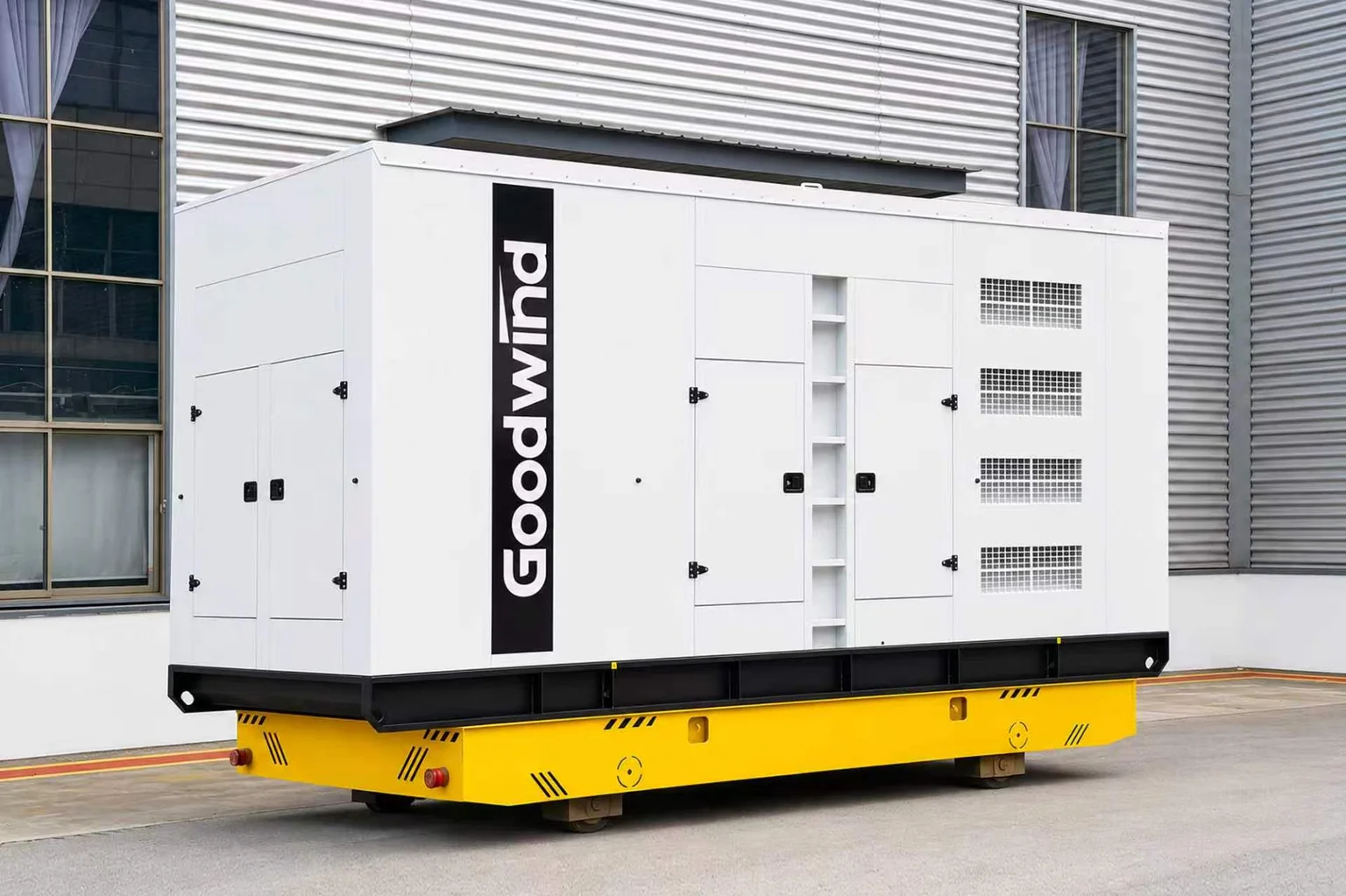
An open set can be a practical starting point for a purpose-designed generator room. A canopy brings enclosure functions closer to the machine. A containerized arrangement provides a larger framework for coordinating the generator and its supporting equipment. Each still needs a suitable installation, and the enclosure name alone does not establish its acoustic or environmental performance.
Start with the site, then select the enclosure. Compare the complete installed arrangement, including ventilation, exhaust, access, handling and the work remaining for the local contractor. The smallest footprint or lowest equipment price may leave important costs outside the quotation.
1. Make the comparison fair before choosing a structure
Keep the electrical requirement constant. State the required operating duty, site output, frequency, voltage, phase and load characteristics. A standby-rated open set and a prime-rated enclosed set are different offers before their structures are considered. Our diesel generator sizing guide explains the inputs behind the rating decision.
Then identify what each price includes. Record the cooling arrangement, exhaust silencer, fuel tank, control and connection equipment, enclosure version and separately supplied accessories. Include local foundations, weather protection, room treatment, discharge ducting and installation work in the comparison where relevant.
A useful enquiry therefore requests two things together: the proposed generator configuration and an outline of its installation interfaces. This makes it possible to compare what arrives from the factory with what must be completed at the destination.
| Structure | Useful starting point | Main question before ordering |
|---|---|---|
| Open type | A dedicated room or engineered shelter providing the required site functions | Who provides weather protection, noise control, ventilation and safe access? |
| Sound-attenuated canopy | A packaged enclosure where acoustic, exposure and service provisions match the application | Does the exact canopy meet the required conditions while retaining cooling and maintenance access? |
| Containerized | A coordinated equipment package with room for the specified systems and service arrangement | Do its internal layout, external clearances, transport method and installed performance suit the site? |
2. Understand what changes with each structure
Open type: make the room part of the purchase decision
An open generator exposes the main equipment and its service points without an overall acoustic canopy. This can help access in a well-planned room, particularly where the building already provides space for ventilation and maintenance. It also leaves the surrounding design responsible for functions that an enclosed package may incorporate.
Review the room and generator together. A unit can fit through the entrance yet leave insufficient space for radiator discharge, electrical work or component removal. Building walls can affect noise transmission, constrain airflow and encourage hot-air recirculation; the initial equipment footprint does not describe the finished installation.
Silent canopy: define the promised function
“Silent” is a familiar purchasing term for a sound-attenuated generator. It does not mean inaudible. The enclosure may combine acoustic treatment, ventilation openings, access doors and exposure protection, but the offered specification must identify which functions are included and under what conditions.
Ask for the actual canopy arrangement. Check the operating side, door openings, fuel filling point, cable entry and access to consumable service items. A compact enclosure can be convenient for positioning while still needing substantial free space around its openings. Its quoted dimensions usually describe the closed machine.
Containerized: evaluate the layout inside and outside
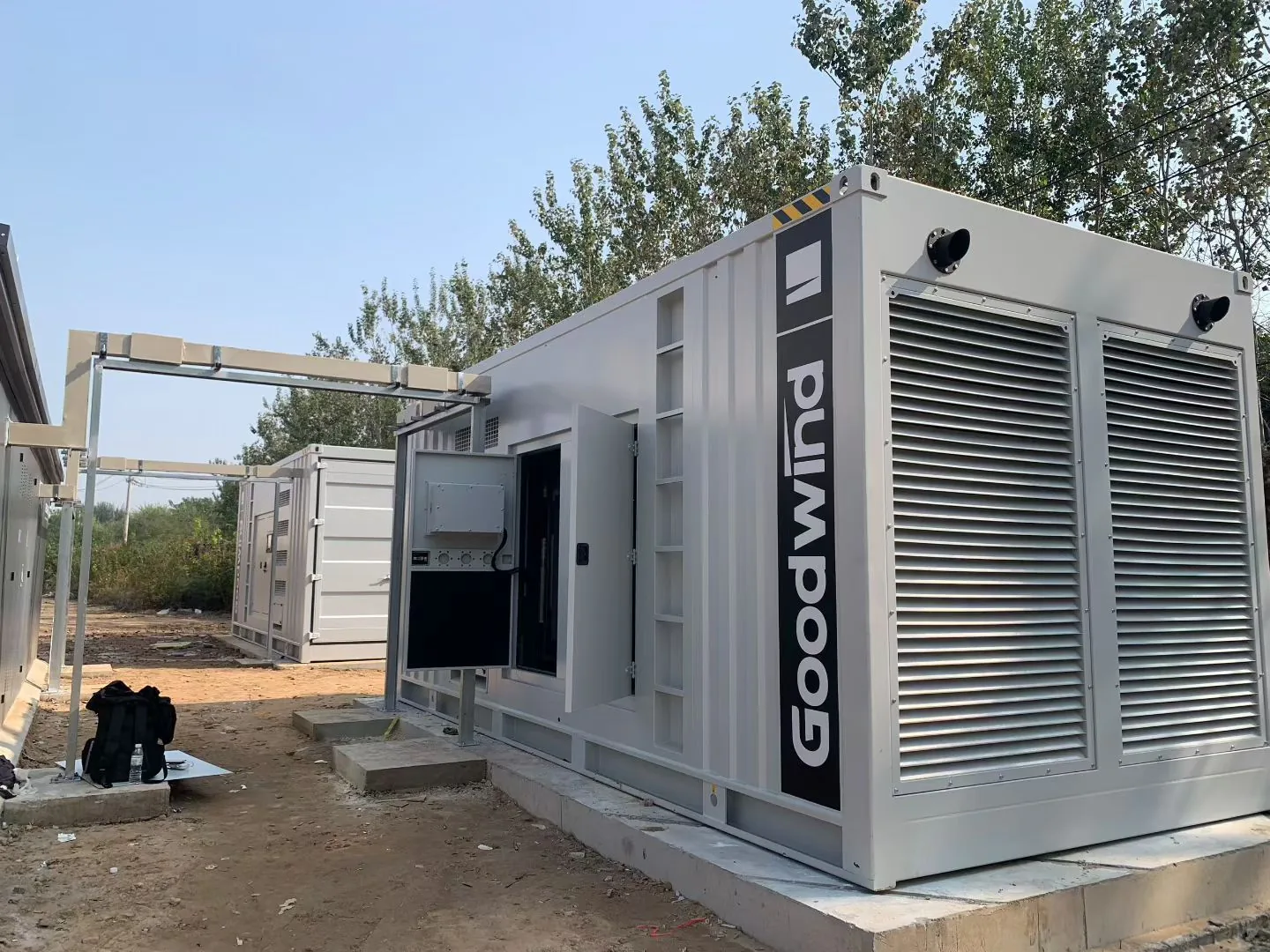
A containerized set should be assessed as a complete equipment arrangement. Depending on the design, the enclosure can accommodate defined ventilation paths, access routes and supporting systems. Walk-in access, internal switchgear, a particular fuel capacity or acoustic treatment must each be stated; the word “container” does not include them automatically.
These categories also overlap. A container can be acoustically treated, while a smaller canopy can offer a specified noise performance. Compare the documented arrangement rather than treating the three names as a universal ladder of quality.
GOODWIND's Beijing central kitchen project provides a real example of a containerized diesel generator installation. The published site photographs show ventilation louvers, side doors and control access. Those visible features are useful layout references; the particular site's acoustic or thermal results require their own evidence.
3. Specify the noise requirement at the receiving location
Begin with the place that needs protection: a property boundary, neighbouring building or occupied area. Record the operating periods and applicable project requirements. A catalogue noise figure measured near the machine cannot, by itself, demonstrate the level at a different location.
Sound pressure level describes sound at a measurement position. Sound power level describes the acoustic output of the source using a different reference. Both may be expressed with A-weighting; a bare “dB(A)” value does not make them interchangeable. Cummins illustrates this distinction in its sound attenuation guidance.
When comparing sound-pressure data, ask for the distance, measurement positions, operating load, generator speed, enclosure configuration, door condition and test environment. Establish whether the stated result is a maximum position or an average. Caterpillar's sound-pressure measurement explanation shows why the positions and averaging method matter.
Installed results also depend on the surrounding layout. Reflecting walls, neighbouring equipment and the locations of ventilation and exhaust outlets can change the sound received at the point of concern. A supplier's product figure and a site's boundary requirement answer different questions.
Request a proposal tied to that receiving location, with assumptions and responsibilities identified. Where an acoustic prediction or site measurement is required, agree its scope. This gives the enclosure specification a practical target without inventing a universal noise value for every “silent” generator.
4. Check cooling airflow and exhaust as separate systems
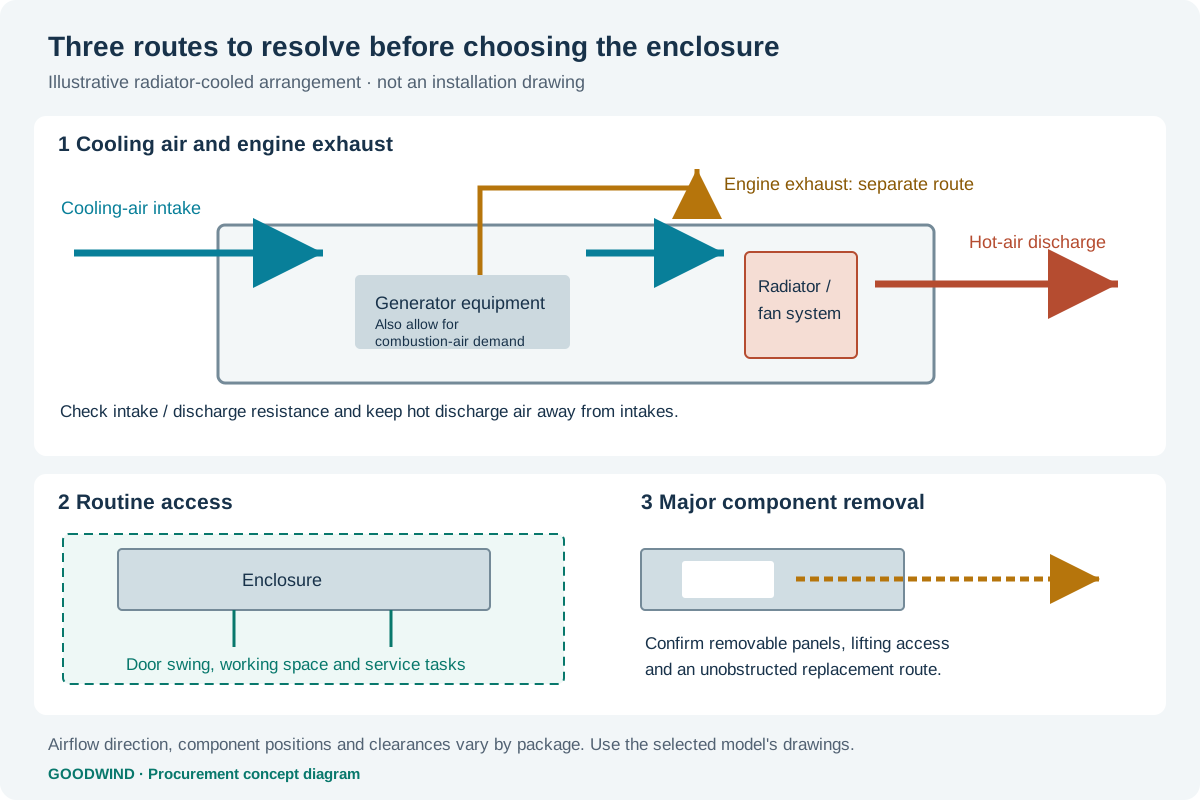
Follow the proposed cooling-air path from the external intake to the discharge. Identify the heat sources, radiator arrangement and openings the air must pass through. Engine combustion air and engine exhaust have separate requirements; they should not be confused with the room or enclosure's cooling airflow.
Louvers, screens, filters, acoustic elements and ducts can add resistance. They must be considered against the limits of the selected cooling arrangement. Adding a quieter discharge treatment or extra filtration after ordering can therefore change more than the appearance of the installation.
Caterpillar's guidance on enclosed-generator ambient capability explains two important effects: an enclosure can increase airflow resistance, and air may warm before it reaches the radiator. The outside air temperature is consequently not always the radiator inlet temperature.
Ask for cooling and ventilation information for the exact package: its required conditions, applicable airflow and resistance limits, and any restrictions on additional ducting. For installations using a remote radiator or a different cooling arrangement, obtain the corresponding requirements rather than applying a radiator-mounted example.
Then review the surroundings. Nearby walls, roofs, adjoining generator discharges and wind conditions can encourage hot air to return to an intake. An outdoor enclosure still needs a suitable discharge route; putting it outside does not remove the need to check recirculation.
Review the exhaust route separately, including the selected engine's backpressure limit, silencer, pipe arrangement, support and outlet location. Cooling-air drawings do not replace exhaust information. Fixed louver-area ratios and standard pipe sizes are poor substitutes for the actual package data.
5. Match protection to the exposed equipment
Describe the environment precisely: rain exposure, drainage, dust, salt, corrosive substances, humidity, condensation, temperature and altitude. “Outdoor” is too broad to define all these conditions. The same enclosure used beside a coastal warehouse and inside a sheltered industrial compound may face very different demands.
Identify which part of the package each protection statement covers. An alternator, terminal box, control cabinet and overall canopy are different objects. An IP rating for one component does not establish the rating of the complete generating set. IP23, for example, is not a dust-tight designation; STAMFORD | AvK's alternator protection guidance explains the distinction.
Ask separately about coating systems, exposed fasteners, seals, drainage and condensation measures where relevant. A weather enclosure does not by itself establish salt-corrosion life or suitability for a hazardous area.
Protection also creates maintenance tasks. Filters and screens need accessible inspection and cleaning arrangements. Specify how the proposed environmental measures interact with cooling and service access, then assign the checks to the appropriate equipment or site supplier.
6. Reserve space for maintenance, not only for the closed machine
Walk through the maintenance sequence on the general arrangement drawing. Can a technician inspect fluid levels, change filters, reach batteries, operate the breaker and remove service panels without moving adjacent equipment? Can doors open fully, and are access points still usable after cables, exhaust connections and site barriers are installed?
Routine access and major replacement are different requirements. A door suitable for a filter change may not provide a route for a radiator, alternator or engine. Identify removable roof or wall sections, lifting access and the path for taking a large component out of the installation where these are part of the design.
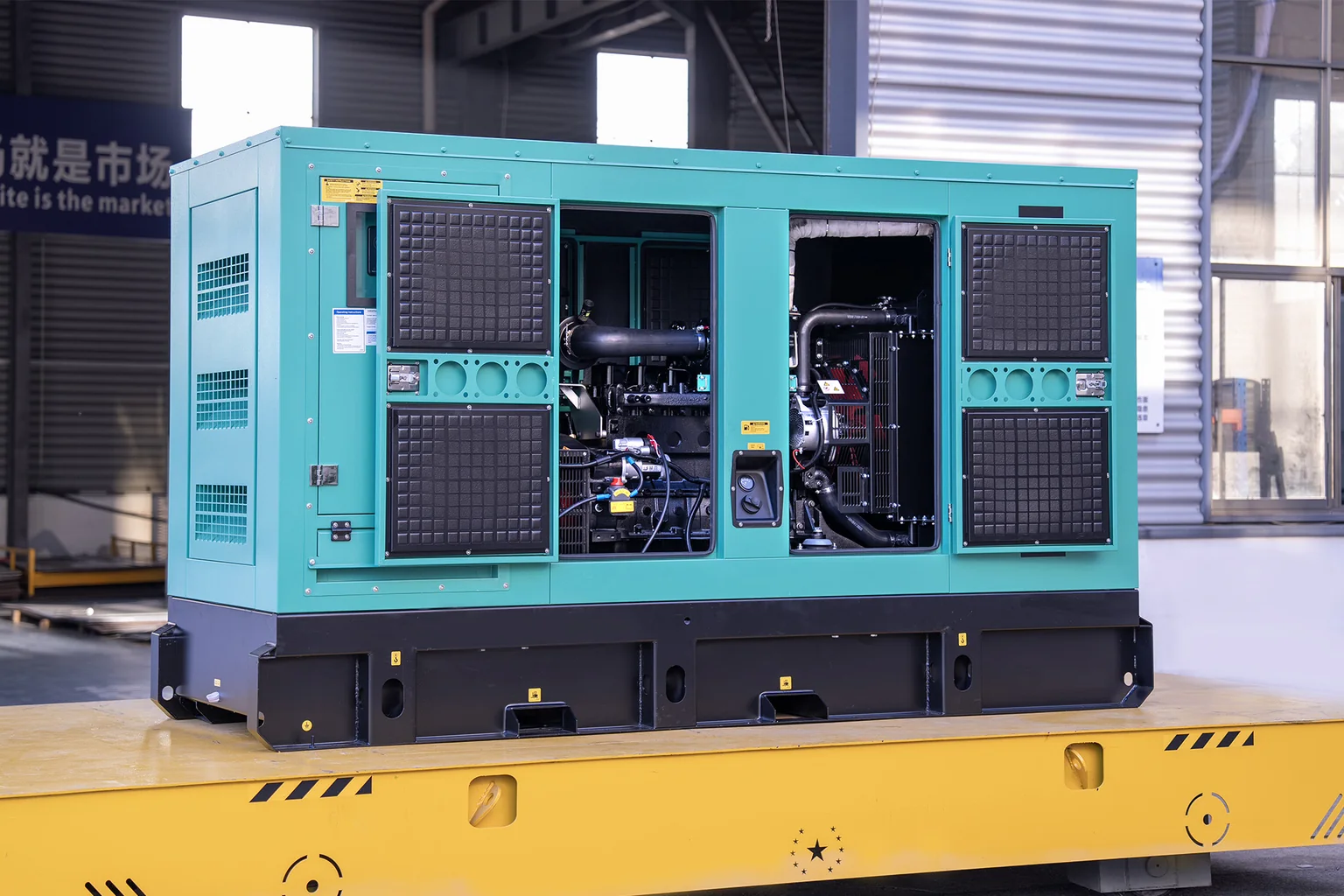
GOODWIND's Honduras rental-generator configuration illustrates how handling and access can shape a canopy. Its published description groups operating, electrical-connection and refuelling points on one side and includes forklift access in the base. These are project-specific details to discuss when specifying a similar application.
Do not turn this into one clearance dimension for every model. The required space depends on the equipment, the task, the manufacturer's instructions and local requirements. Review the tasks first, then confirm the resulting layout.
7. Separate equipment transport from the operating enclosure
A containerized generator is not automatically a freight container approved for standard transport handling, stacking or shipment. Confirm the actual structure, lifting instructions, lifting points and transport arrangement with the supplier and carrier. External appearance alone cannot establish the permitted method. The distinction between ISO and non-ISO walk-in containers in FG Wilson's installation manual illustrates why the exact design matters.
Use the dimensions and weights for each stage: assembled operation, shipment and any separately packed components. Check whether silencers, exhaust sections or other accessories travel detached and who reinstalls them. The delivery route must accommodate the package through gates, turns and lifting positions, not only on the final foundation.
Forklift pockets also need applicable instructions. Their presence does not establish suitable fork spacing, load capacity or the permitted lifting condition. For a mobile arrangement, clarify transport and any road-use requirements separately.
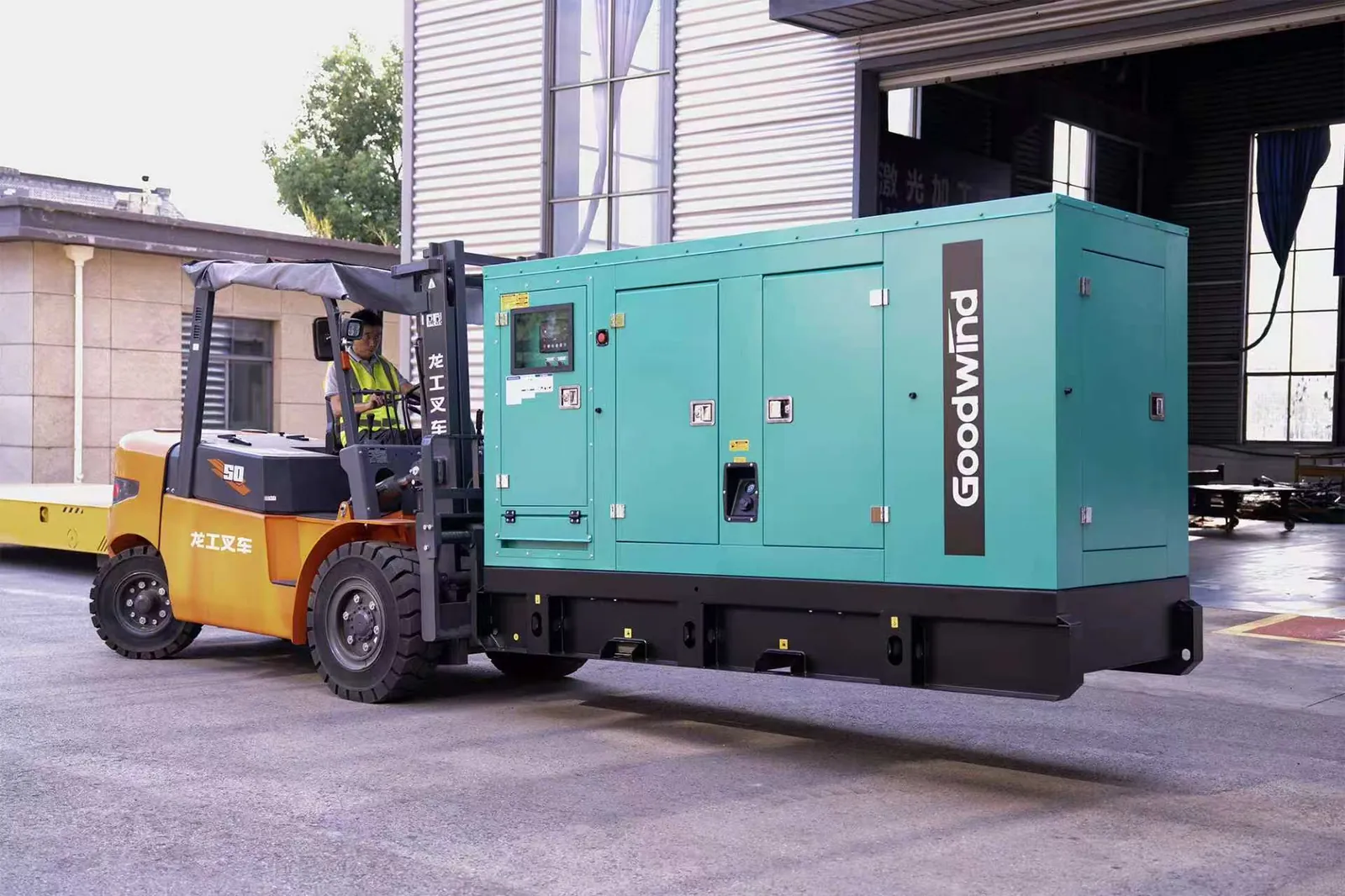
For import orders, GOODWIND's compact-generator shipping guide discusses packing and loading considerations. Keep that logistics review connected to the exact configuration; do not assume that a different enclosure will retain the same loading plan.
8. Use the site's hardest constraint to narrow the options
Consider three illustrative situations. They are decision examples, rather than completed project claims or finished engineering designs.
| Site situation | Option to investigate first | What can change the decision? |
|---|---|---|
| An existing generator room with an established exhaust and ventilation route | Open set, coordinated with the room | Insufficient airflow, acoustic treatment, working clearance or a route for future component replacement |
| An outdoor location near occupied buildings with a defined noise requirement | A canopy or acoustically treated container supported by suitable acoustic information | The required receiving-point level, reflecting surfaces, discharge orientation and the cooling limits of the proposed treatment |
| A site requiring a coordinated package and planned handling of equipment and auxiliaries | A containerized arrangement with an agreed internal layout | Transport restrictions, lifting provisions, external service space and which supporting systems the package actually includes |
Compare the total installed scope after this review. An open set may leave more work in the building; an enclosed set may move some work into the factory package. Neither guarantees the lower overall cost. Include remaining site work, logistics, access-related maintenance and any measures needed to meet the project requirement.
Our generator quotation comparison guide explains how to record those differences in the supply scope before comparing prices.
9. Send a site brief that supports a usable proposal
A clear enquiry lets the supplier identify a proposed structure and the conditions that still need design coordination. Include:
- Electrical duty: application, load information, required operating rating, frequency, voltage, phase and expected running pattern.
- Site layout: available area, nearby walls and buildings, candidate intake and discharge positions, entrances and service routes.
- Noise requirement: receiving location, operating periods, applicable criterion and any required prediction or measurement.
- Environment: temperature, altitude, weather exposure, dust, humidity, salt or other relevant conditions.
- Access and handling: routine working areas, major component removal, lifting or forklift arrangements, transport limits and destination.
- Scope: equipment and accessories required, locally supplied work and the documents needed to confirm interfaces.
Request a layout drawing and the relevant noise, cooling, handling and maintenance information for the exact offer. Resolve critical assumptions before the order, particularly where enclosure choices affect work by another contractor.
Discuss your generator structure with GOODWIND. Review our diesel generator range, then send your power and site requirements. Include the layout, noise requirement and access constraints so the proposed configuration and supply responsibilities can be discussed against your application.