

















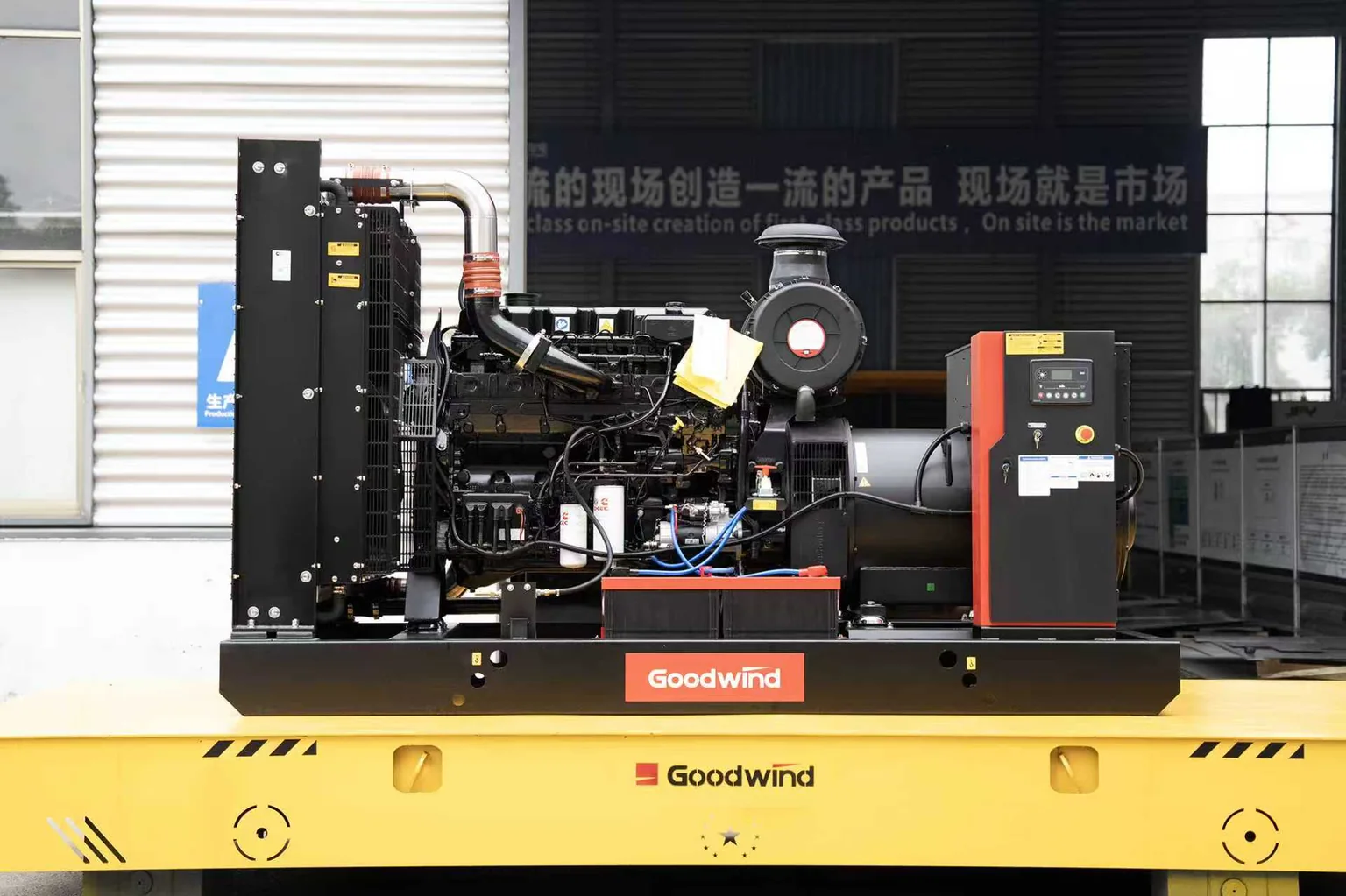
A generator quotation brings together equipment, performance commitments and delivery responsibilities. A short offer may be perfectly suitable for a straightforward purchase, but a project with automatic transfer, restrictive site conditions or witnessed testing needs more detail. Start with a common specification, record each difference, and ask for a revised offer where the difference affects the purchase.
1. Set a common comparison basis
Give every supplier the same project revision. State the required operating duty, electrical output, voltage, frequency, phase and site conditions. Identify whether the voltage is line-to-line or line-to-neutral, and whether a neutral connection is required. Include the load schedule and important starting events, even if a consultant has already nominated a capacity. Our diesel generator sizing guide explains how to prepare those inputs.
An offer at prime power (PRP) and one at emergency standby power (ESP) do not become equivalent because their headings show the same kVA. Ask which rating applies to the proposed operating hours and load pattern, including any manufacturer limits on annual operating hours, average load and overload use. The Cummins explanation of generator-set ratings is useful background; the selected model's current rating conditions remain necessary.
Record electrical active power in kW, apparent power in kVA and the rated power factor. At a declared rated power factor of 0.8 lagging, 400 kVA corresponds to 320 kW. This conversion does not establish the actual load power factor or prove motor-starting capability. Check the set's available electrical kW and the alternator's kVA, current and power-factor capability at the actual load and site conditions; meeting the kW figure alone is not sufficient. Keep engine shaft power separate from the electrical output offered at the generator terminals.
Ask suppliers to state the output available for the agreed installation and environment. An offer based on different cooling-air temperatures, altitudes or enclosure arrangements may need clarification before it belongs in the same comparison column.
2. Identify the complete component package
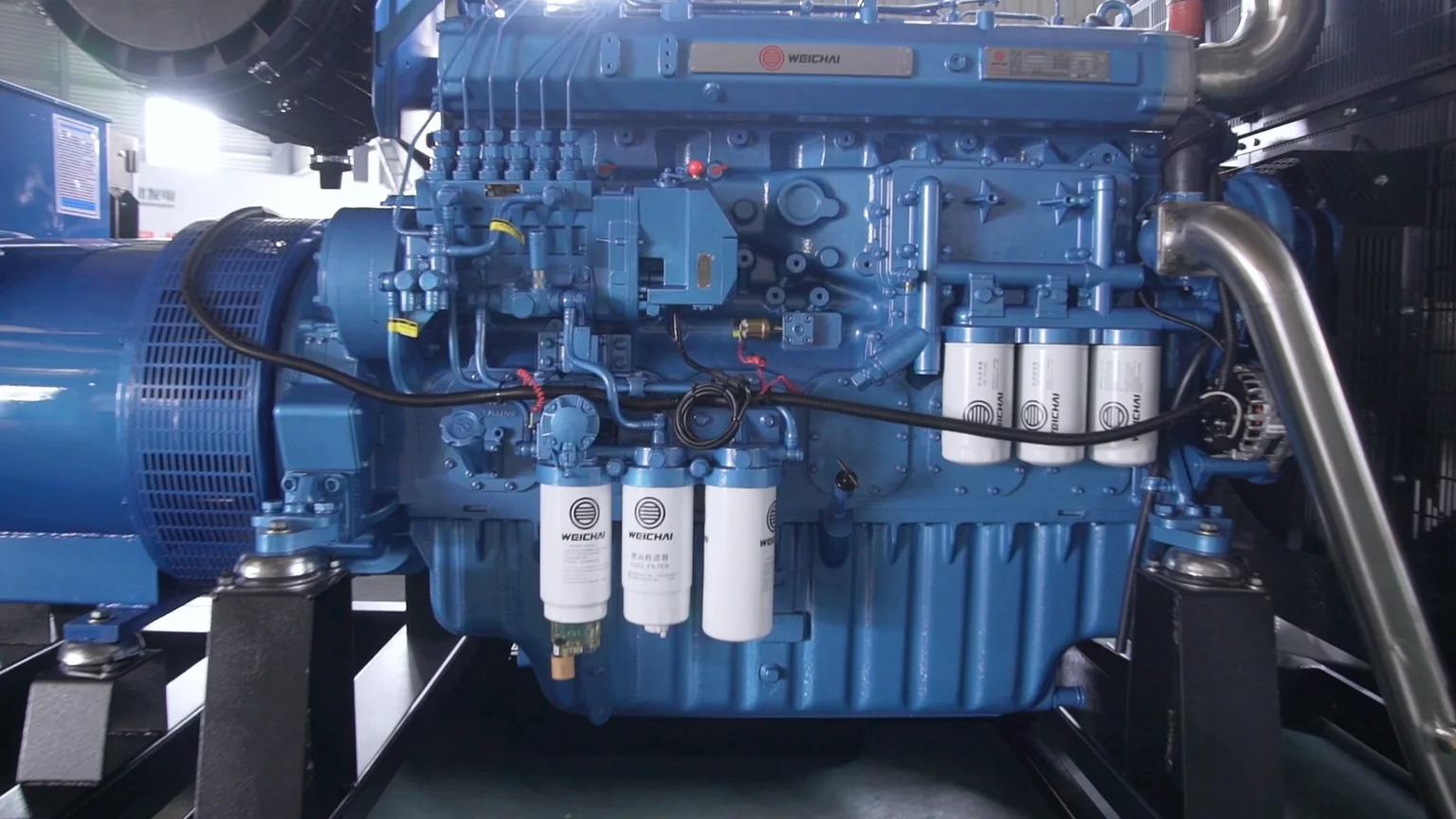
Write down the generator-set model and the exact engine, alternator and controller models. A brand name alone can cover several configurations. Check the frequency and duty associated with each specification, together with the cooling arrangement, starting system and applicable emissions documentation.
For the alternator, include its rating, winding connection, insulation and temperature-rise basis, enclosure protection, excitation arrangement and automatic voltage regulator (AVR). These describe different aspects of the machine. An insulation thermal class does not establish corrosion resistance, and an IP rating for a terminal box does not describe the complete generator enclosure.
A permanent magnet generator (PMG) can provide an independent power supply to the AVR, while the AVR still senses the main output voltage. Its presence is one configuration detail to assess alongside the load and complete-set response. The STAMFORD | AvK excitation-system guidance explains those roles. Ask for evidence relevant to your application rather than treating one component as a universal performance guarantee.
Keep the engine brand and the generator-set manufacturer distinct in the offer. A generator powered by a named engine does not, by that description alone, become a complete generator set manufactured by the engine company. Warranty responsibilities and any claimed authorization need their own supporting documents.
3. Separate controls, transfer and paralleling
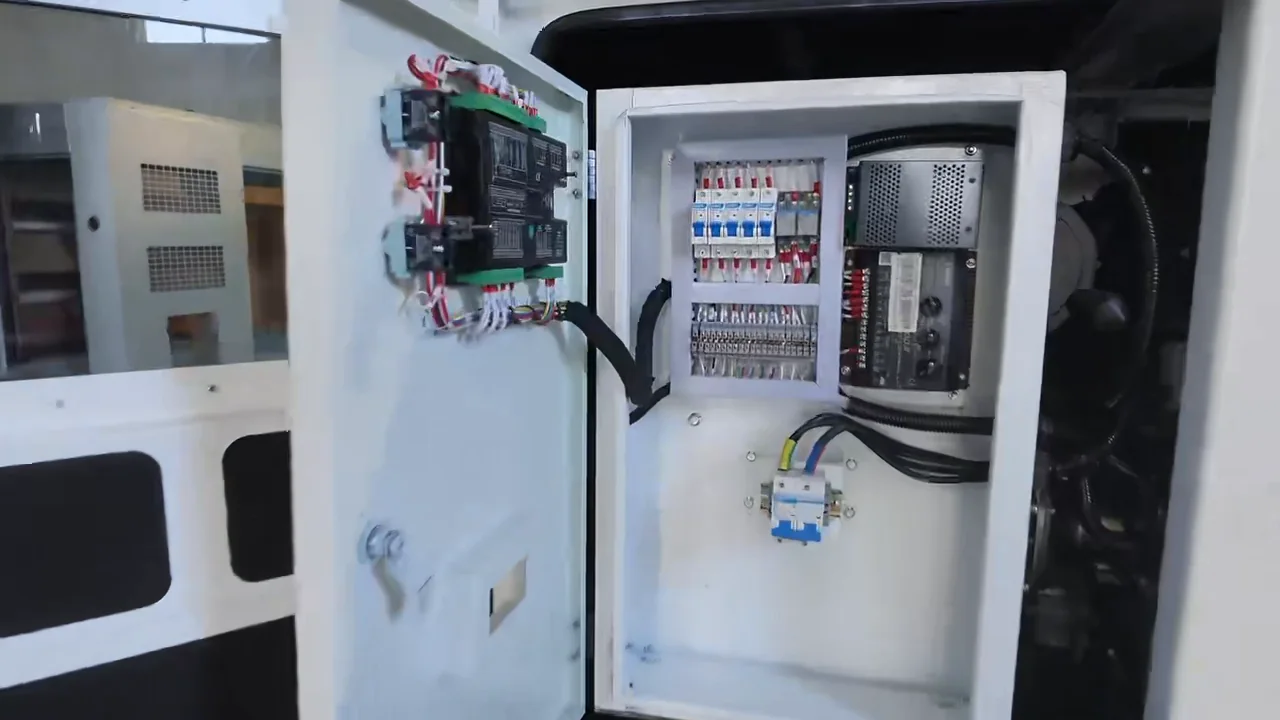
An automatic-start controller, an automatic transfer switch (ATS) and a generator-paralleling system perform related but different jobs. An offer that says "automatic" needs enough detail to show which equipment and functions are included.
For a utility-failure application, identify who supplies the transfer equipment, its current and pole ratings, transition arrangement, enclosure and control interfaces. Define responsibility for the start signal, cabling and commissioning. Automatic starting alone does not show that the transfer switch is in the price.
Where generators will operate together, specify the proposed operating modes and the scope of synchronization, switching, active and reactive power sharing, protection and integration. ATS inclusion alone does not define a complete generator-paralleling system. Some closed-transition arrangements momentarily parallel the sources when both are available and suitable for synchronized transfer. Specify the permitted transition mode, protection and any utility interconnection requirements. Closed transition does not by itself eliminate the interruption caused by an initial utility failure.
4. Compare enclosures and site interfaces
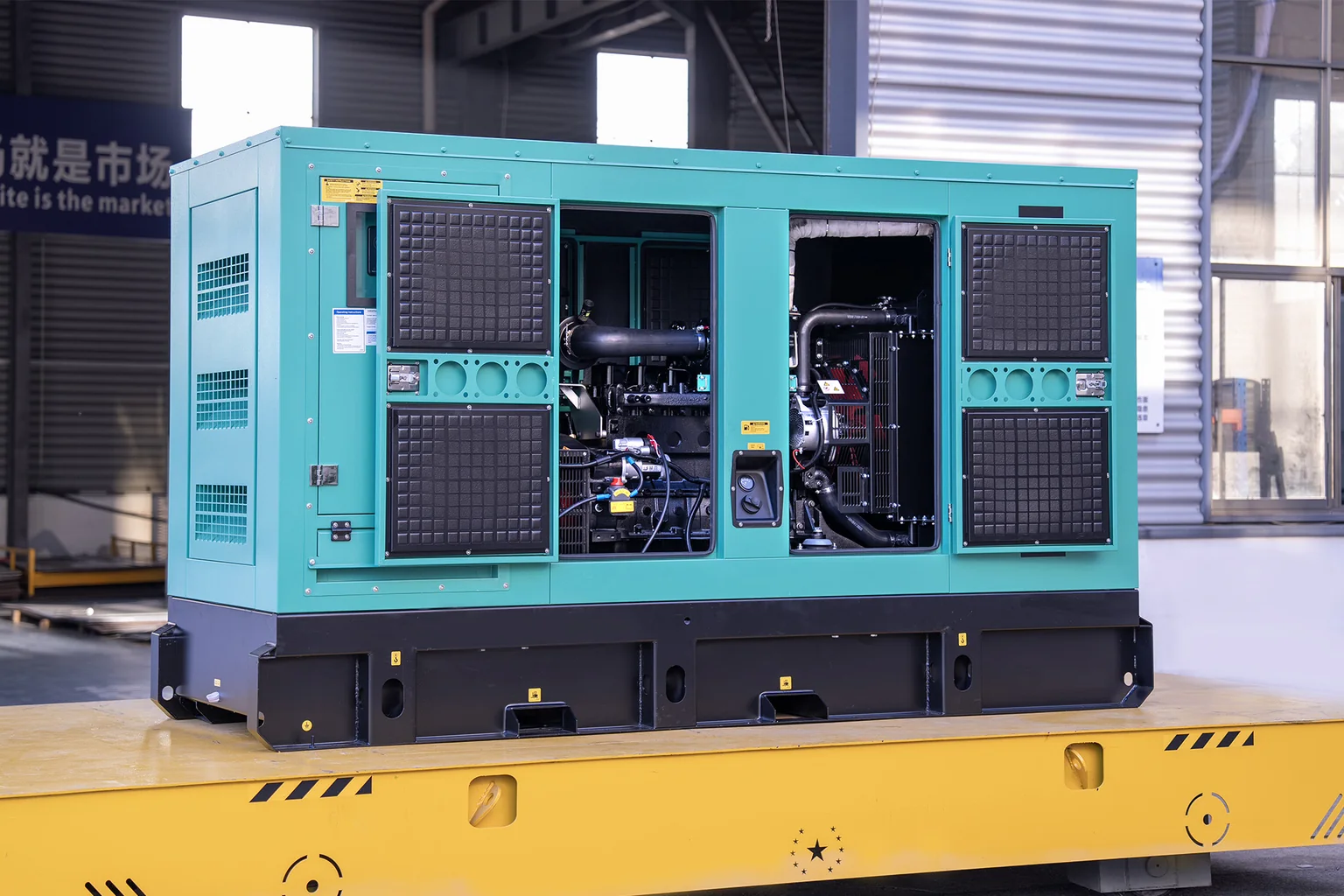
Compare the complete installation, including the work that remains outside the package. An open-type generator may require a building with ventilation, exhaust routing and acoustic treatment. A canopy or container brings its own dimensions, airflow requirements, access doors and transport constraints. Consider what each proposal requires at the actual site.
For a sound-attenuated unit, request a measurable acoustic requirement. Compare the same acoustic quantity, frequency weighting, operating load, measurement method and environment. For sound-pressure levels, also align the distance, measurement positions and whether the reported value is a maximum or an average. Sound-pressure and sound-power levels are different quantities; confirm the weighting, such as A-weighted levels in dB(A). A "silent" label or a photograph of insulation does not replace a report with stated conditions. Caterpillar's sound-pressure guidance explains the importance of measurement positions and distance.
Review the general arrangement drawing for cable entries, fuel connections, exhaust interfaces, handling points and maintenance access. Establish whether a radiator, silencer, external tank or other item ships separately. Equipment supplied loose can still require local supports, piping, wiring and installation work.
The GOODWIND canopy range and our oilfield containerized-generator project provide useful configuration references. Use the proposed order's drawings and specifications to settle its actual requirements.
5. Write down the supply scope
A scope matrix makes omissions easier to resolve than a long exchange of emails. For each required item, mark whether it is included, separately priced, supplied by another party or awaiting confirmation. An empty cell should remain an open question.
Also distinguish supply from installation and commissioning. "ATS included" may describe delivery of a cabinet; it does not define who connects it to the building. The following is a buyer's worksheet, not a list of standard GOODWIND inclusions.
| Package or task | Details to record | Responsibility to assign |
|---|---|---|
| Starting and standby auxiliaries | Batteries, rack, cables, charging equipment, and specified coolant, battery or alternator anti-condensation heaters | Supply, controls, connections and any external power source |
| Electrical output and transfer | Breaker, terminals, ATS, metering and project-specific switchgear | Supply, interconnection and functional testing |
| Fuel system | Usable tank capacity, external tank, pumps and supply/return interfaces | Equipment, piping and site work |
| Cooling and exhaust | Radiator arrangement, ducts, silencer and exhaust connection limits | Package equipment, supports and installation |
| Enclosure and handling | Canopy/container, dimensions, access, lifting and packing information | Delivery configuration and site handling |
| Tests and documents | Agreed tests, witnessing, reports, drawings and manuals | Preparation, attendance and acceptance |
| Site completion | Foundations, cables, earthing, commissioning and operator handover | Supplier, contractor or project owner |
Coolant preheating supports engine readiness; alternator anti-condensation heaters address condensation during standstill. Specify their separate functions, controls and power supplies, as explained in the STAMFORD | AvK guidance on anti-condensation heaters. Quote optional prices against the same item descriptions. If the scope changes during negotiation, update the matrix and quotation together. This prevents an early email about an option from being mistaken for the final agreed supply.
6. Agree performance, tests and documents
Turn important performance claims into testable requirements. For motor-starting and other load steps, state the initial operating condition, initial and added load, load power factor, voltage and frequency, permitted voltage and frequency deviations and recovery criteria. If the requirement includes starting the generating set and accepting load from standby, also specify the ambient and engine temperatures and any preheating condition. Ask whether the evidence covers the engine, alternator, AVR and control combination actually offered.
Distinguish model or type-test evidence, routine production tests and the factory acceptance test (FAT) programme agreed for the order. Establish which tests apply to which units, which results are supported by applicable type-test evidence, and which individual-unit records will be supplied. A steady-state load test does not, by itself, demonstrate every required dynamic event or the site's complete transfer sequence.
Agree the FAT scope before ordering: identification, conditions, load stages, duration, recorded parameters, acceptance criteria, witnessing and the report to be supplied. Special tests and buyer attendance can affect preparation and scheduling. Put any site acceptance work in a separate, clearly assigned scope.
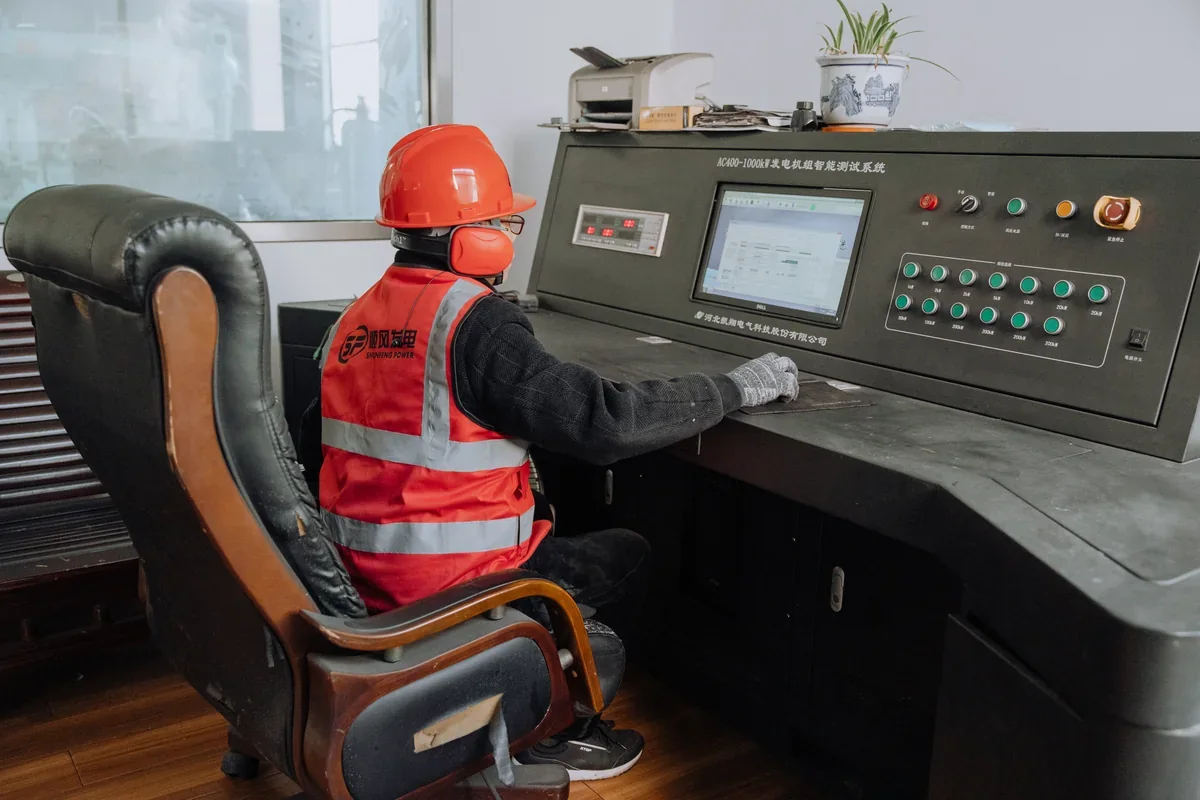
Our manufacturing and quality information describes the test system and manufacturing activities documented in our company profile. For a specific order, agree the required test conditions and records with GOODWIND. The photographs show equipment and activity; the applicable report provides the test conditions and results.
Check certificates by subject and scope. Management-system certification, component conformity documents and product-specific approvals serve different purposes. ISO 9001 certification concerns a quality management system; it is not product certification. For management-system certificates, check the certified organisation, covered sites and activities, certification body, validity and accreditation where claimed. For product or component documents, check the identified model, applicable requirements, configuration and destination-market scope as relevant, including any annexes. Match unit test reports to the supplied equipment and the agreed test programme. The ISO/IAF guidance on scope and applicability explains the distinctions between management-system and certification scopes.
7. Compare running costs and service
Use the expected operating profile to assess running costs. Compare fuel data at the same actual electrical output and compatible rating, frequency and conditions. Two machines at "75% load" can be supplying different kW if their ratings differ.
Check whether consumption describes the engine or complete set, whether its power basis is mechanical or electrical, and whether values come from a data sheet or a test. Record the units, fuel-property basis and declared consumption tolerance. Mass-specific consumption, such as g/kWh, and volumetric consumption in L/h cannot be compared directly without conversion on a consistent power and fuel-density basis. Fuel density and heating value affect volumetric consumption; Caterpillar's discussion of volumetric fuel consumption explains why the comparison basis matters. Use the selected model's data rather than a general brand assumption.
For tank autonomy, combine usable fuel volume with the consumption appropriate to the operating scenario. Nominal tank volume alone does not establish a fixed runtime. Record the external fuel arrangements and replenishment assumptions where they affect the duty.
Read maintenance and warranty terms alongside the equipment price. Clarify the start of warranty, time and operating-hour limits, exclusions, responsible service provider, claim process and allocation of parts, labour and travel costs. Confirm local parts and service arrangements for the actual destination; a familiar engine brand does not settle the complete-set warranty.
8. Align delivery terms and logistics
Record currency, quotation validity, payment milestones and the delivery schedule. Make clear which approvals or events start production and which documents are required before dispatch. A stated production period and an estimated arrival date describe different stages.
Where Incoterms rules are used, state the rule, version and precise named place or port. Compare packing, handling, carriage, insurance and customs responsibilities on that basis. The destination up to which the seller pays carriage and the point where risk transfers may differ. Under CIF, a rule for sea and inland-waterway transport, the seller pays freight and insurance to the named destination port, while risk normally passes when the goods are placed on board at the port of shipment. ICC Academy's delivery and risk-transfer explanation discusses this distinction.
Keep installation, commissioning, payment, warranty and project acceptance obligations explicit in the order documents. A transport rule does not describe the complete technical supply. For shipment planning, use packed dimensions, gross weight, separately packed accessories and the agreed loading arrangement. Our compact-generator loading guide shows why configuration and packing should be reviewed together.
9. Worked comparison: three illustrative offers
The following hypothetical worksheet contains no prices. It is not a GOODWIND quotation or a sizing recommendation. Assume the project requests 400 kVA PRP, 320 kW at rated power factor 0.8 lagging, 50 Hz, 400 V line-to-line, three-phase operation, with agreed site conditions and automatic utility-to-generator transfer.
| Comparison item | Illustrative offer A | Illustrative offer B | Illustrative offer C |
|---|---|---|---|
| Rating stated | 400 kVA ESP; PRP not stated | 400 kVA PRP; rating conditions attached | 400 kVA PRP; site-output statement pending |
| Transfer equipment | Automatic-start controller; ATS excluded | ATS model and supply listed; site connection excluded | ATS optional; separate price required |
| Acoustic information | "Silent"; no measurement conditions | Report identifies load, distance and method | Different measurement basis; clarification needed |
| Factory acceptance | "Factory tested"; stages not stated | Test scope and report contents specified | Standard report listed; requested witnessed test pending |
| Delivery | Named place not stated | Rule, version and named place stated | Different delivery scope; logistics to be aligned |
Ask A to respond to the required rating and missing items. Ask B to identify the site-connection work still required and confirm that its acoustic and test conditions match the project. Ask C to resolve the site-output, options and delivery differences. The worksheet does not establish that one offer is technically acceptable or better value.
After clarification, request revised prices for the same required configuration and scope. Add confirmed, necessary exclusions and logistics costs once, with their responsible parties identified. Keep unpriced items visible instead of treating them as zero. This produces a usable purchase comparison without inventing a market price or hiding unresolved requirements.
10. Close the clarifications before ordering
Maintain a short clarification register with the issue, supplier response, effect on scope or price, and the document revision that closes it. Consolidate the agreed configuration, scope matrix, drawings, test requirements and commercial terms into the final order package.
Check that accessories and special requirements accepted during discussions also appear in that package. Where a component substitution is proposed, review its effect on ratings, interfaces, documentation and performance before agreeing to it. Retain the approved revision so manufacturing, inspection and receiving teams work from the same requirements.
11. Discuss your generator quotation
Send GOODWIND the application, required rating and electrical conditions, load and site information, preferred configuration, quantity and destination. Include the equipment and services you expect in the offer, the required documents and tests, and the delivery basis you want compared.
Our product and company downloads provide a starting point for reviewing the range. For a project discussion, contact GOODWIND with your specification and supply requirements. Mark outstanding decisions so the quotation can distinguish agreed items from options and matters requiring technical review.
Questions about generator quotes
Is a cheaper quote evidence of lower quality?
Price alone does not identify the cause of a difference. Check the rating, component models, performance evidence, scope and commercial terms. A lower figure may reflect a different package or exclusion; the comparison should establish what is actually being offered.
Does the controller price include an ATS?
Only where the written offer includes the transfer equipment. Ask for its specification, transition arrangement and supply, connection and commissioning responsibilities. A controller capable of automatic starting does not answer those questions.
Can I compare quotes before the design is final?
Yes, as a budget-stage comparison with stated assumptions and open items. Send the same assumptions to each supplier and identify which decisions could change capacity, equipment or site work. Obtain a revised offer when those decisions are settled.
What should be ready before placing the order?
Have an agreed technical configuration, scope and exclusions, applicable documents and tests, delivery and payment terms, and a clear process for changes. The approved documents should identify the supplier's obligations and the work assigned to other parties.